
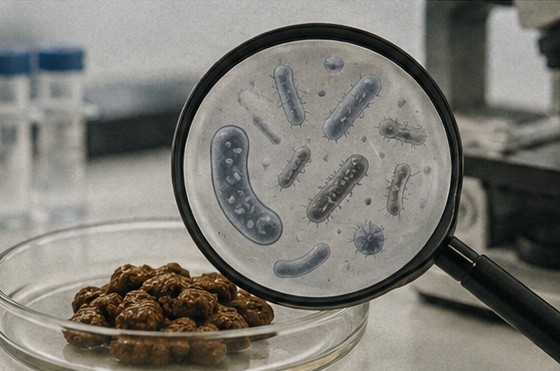
Scientists study stool samples because they contain microorganisms, genetic material and chemical information that can help researchers understand the gut microbiome — the huge community of bacteria and other microorganisms living in our digestive system and Indian populations are particularly interesting to researchers because diet, lifestyle, geography and cultural habits can be very different from those commonly represented in Western research.
Why Do Researchers Study Indian Poop?
It sounds like a strange question.
Why would anyone — especially researchers from other countries — be interested in something as ordinary as human poop?
The answer is actually pretty fascinating: your stool contains clues about what is happening inside your gut.
Scientists study stool samples because they contain microorganisms, genetic material and chemical information that can help researchers understand the gut microbiome — the huge community of bacteria and other microorganisms living in our digestive system and Indian populations are particularly interesting to researchers because diet, lifestyle, geography and cultural habits can be very different from those commonly represented in Western research.
Indian Gut Bacteria Can Look Different
There isn't one single "Indian gut microbiome." India has enormous dietary and geographical diversity.
However, several studies have found differences between the gut microbiomes of Indian and Western populations.
For example, research has reported a relatively high presence of Prevotella in several Indian populations. This type of bacteria is often associated with diets containing substantial amounts of complex carbohydrates and plant-based foods.
But this doesn't mean that Prevotella is automatically "good" or "bad." Gut bacteria are complicated, and their effects can depend on the overall environment inside the gut.
What Does Indian Food Have to Do With It?
A lot.
Traditional Indian diets can include foods such as rice, wheat, lentils, pulses, vegetables, fruits, whole grains and fermented foods.
These foods provide different types of carbohydrates and dietary fibre that gut microorganisms can use.
Researchers therefore study stool samples alongside information about what people eat, their lifestyle and their environment.
One study of Indian adults found differences in gut microbial patterns between groups consuming predominantly plant-based and more omnivorous diets.
So, scientists aren't really studying "poop" for its own sake.
They're studying what poop can tell them about the gut.
Could This Help Future Medicine?
Potentially, yes — but we shouldn't overpromise.
Understanding how the gut microbiome differs between populations could eventually help researchers better understand conditions involving digestion, metabolism and inflammation.
Research has also looked at what happens when people move from India to Western countries. Some studies suggest that changes in diet and lifestyle after migration can be accompanied by changes in the gut microbiome.
This is one reason Indian populations can be valuable in microbiome research: they provide an opportunity to study how food, environment and lifestyle interact with our gut bacteria.
It's Not About "Indian Poop Being Special"
This is an important point.
Scientists are not saying Indian people have universally better or healthier stool.
India itself contains enormous variation. A person living in Rajasthan may have a very different diet and lifestyle from someone living in Kerala, Nagaland or Punjab.
Recent research has even examined gut microbiomes across multiple Indian and South Asian communities, showing how strongly local culture, diet and geography can influence microbiome patterns.
So the real story isn't "foreigners are obsessed with Indian poop."
The real story is much more interesting:
Human poop can act like a biological window into the gut — and Indian populations offer researchers a diverse and relatively understudied population for understanding how diet, lifestyle and environment shape that gut ecosystem.
Myths vs Facts
Myth 1: Indian poop is scientifically "better."
Fact: There is no scientific basis for calling one population's stool universally better or healthier.
Myth 2: Foreign researchers collect Indian poop just because Indian food is different.
Fact: Stool samples allow researchers to study microorganisms, genes and metabolites associated with the gut microbiome.
Myth 3: More Prevotella automatically means better health.
Fact: Gut bacteria cannot simply be labelled good or bad based on one species. Their effects depend on many factors.
Myth 4: All Indians have the same gut bacteria.
Fact: India has huge dietary, geographical and cultural diversity, and microbiome composition can vary considerably between communities.
Myth 5: Studying stool can diagnose every health problem.
Fact: Stool microbiome research is promising, but it is not a universal diagnostic test for every disease.
Frequently Asked Questions
1. Why do scientists collect stool samples?
Stool contains microorganisms and biological information that can help researchers study the gut microbiome.
2. Is the Indian gut microbiome different from the Western gut microbiome?
Research has identified population-level differences, but there is significant variation within every population.
3. Does Indian food create different gut bacteria?
Diet can influence the gut microbiome, and several studies have associated dietary patterns with differences in gut microbial communities.
4. Can your poop tell you how healthy you are?
It can provide useful information about the gut, but stool appearance or microbiome results alone cannot tell the complete story about someone's health.
5. Could gut microbiome research lead to new treatments?
Possibly. Researchers are investigating how gut microorganisms interact with health and disease, but many applications are still being studied.
Key Takeaway
Your poop may look like waste, but scientifically, it can be a useful biological sample.
For researchers, studying Indian stool samples isn't about something strange or embarrassing. It's about understanding the millions of microorganisms living inside us and discovering how diet, geography, lifestyle and culture may shape the human gut microbiome.
And because India is so diverse, its people can provide researchers with valuable data that may help improve our understanding of human health worldwide.
Image ALT Text: Scientists studying Indian stool samples and the human gut microbiome
SEO Title: Why Do Foreign Researchers Study Indian Poop? The Science Behind Gut Microbiome Research
Primary Keyword: Indian poop research
Secondary Keywords: Indian gut microbiome, stool sample research, gut bacteria, Indian microbiome, gut health research
Long-Tail Keywords: why researchers study Indian stool samples, why Indian gut microbiome is different, Indian diet and gut bacteria, gut microbiome research in India
Meta Description: Why do researchers study Indian stool samples? Learn how Indian diet, lifestyle, geography and gut bacteria are helping scientists understand the human microbiome.
SEO Slug: why-researchers-study-indian-poop-gut-microbiome
Suggested Internal Links:
What Is the Gut Microbiome?
How Fibre Supports Gut Health
Indian Diet and Digestive Health
Probiotics vs Prebiotics: What's the Difference?
What Does Your Stool Say About Your Digestive Health?
Medical Disclaimer: This article is intended for general health education and awareness only. It does not provide medical diagnosis, treatment or personalised medical advice. Research findings about gut microbiomes describe population-level patterns and do not mean that every individual has the same microbiome or health outcome. If you have persistent digestive symptoms or health concerns, consult a qualified healthcare professional.